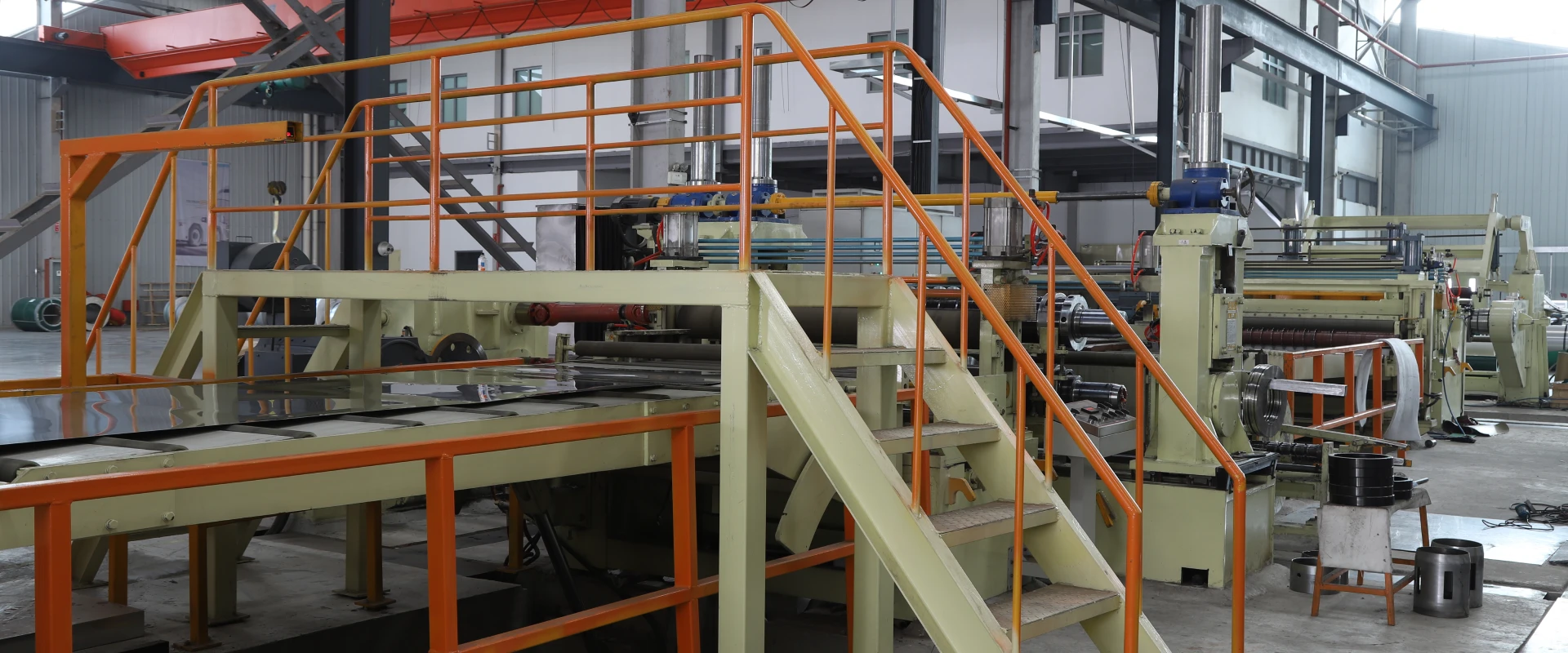
Titanium Alloy Channel Steel Antistatic Surface Treatment for Semiconductor Equipment Frames
1. Introduction: Static Control Demands for Semiconductor Equipment
Semiconductor manufacturing requires ultra-clean and static-free workshop environments.
Tiny static electricity can damage precision chips and electronic components.
Equipment frames are major static accumulation carriers in production lines.
Titanium alloy channel steel is widely used for semiconductor equipment support.
It features high rigidity, corrosion resistance and lightweight performance.
Untreated titanium alloy surfaces easily generate and store static charges.
Professional antistatic surface treatment solves static hazards effectively.
It ensures stable and safe operation of high-precision semiconductor equipment.
2. Characteristics of Titanium Alloy Channel Steel for Equipment Frames
2.1 High Structural Stability
Titanium alloy channel steel supports heavy semiconductor equipment steadily.
It resists deformation during long-term continuous operation.
2.2 Clean and Corrosion-Resistant Properties
No surface rust or particle shedding in cleanroom environments.
Adaptable to frequent cleaning and chemical disinfection.
2.3 Natural Insulation Limitation
Pure titanium alloy has relatively high surface resistivity.
Friction with air and accessories easily builds up static electricity.
It cannot meet strict semiconductor static elimination standards.
3. Hazards of Untreated Static Accumulation
3.1 Precision Component Damage
Static discharge burns tiny circuit structures on wafer surfaces.
Causes chip scrapping and increases production costs.
3.2 Dust and Particle Adsorption
Static electric field absorbs fine dust in cleanrooms.
Dust attachment pollutes processing environment and affects yield.
3.3 Equipment Operation Instability
Uncontrolled static interferes with sensor and circuit signal transmission.
Leads to occasional equipment failure and shutdown risks.
4. Common Antistatic Surface Treatment Processes
4.1 Conductive Coating Spraying
Apply professional semiconductor-grade conductive antistatic coatings.
Form uniform conductive films on channel steel surfaces.
Stably adjust surface resistivity to standard static elimination range.
Features simple construction and low modification cost.
4.2 Chemical Passivation and Conductive Treatment
Optimize titanium alloy surface oxide film structure.
Improve surface conductivity without changing substrate performance.
Guarantees ultra-clean requirements for chip manufacturing.
4.3 Ion Plating Conductive Film
Deposit thin and dense conductive metal films via vacuum ion plating.
Achieves wear-resistant and long-term antistatic effects.
Suitable for high-end precision semiconductor equipment frames.
4.4 Grounding Matching Treatment
Optimize frame surface contact flatness after antistatic processing.
Support reliable overall grounding and rapid static discharge.
5. Core Technical Standards for Treatment
Control surface resistivity between 10⁶ and 10⁹ ohms.
Ensure no coating peeling, powder falling or particle shedding.
Maintain original titanium alloy structural strength and rigidity.
Meet Class 100 and Class 1000 cleanroom usage standards.
Resist conventional cleanroom detergent corrosion and abrasion.
6. Practical Advantages of Antistatic Treatment
6.1 Eliminate Static Hidden Dangers
Realize continuous static discharge on equipment frame surfaces.
Avoid static accumulation and sudden discharge damage.
6.2 Improve Cleanroom Environment
Reduce dust adsorption and keep frame surfaces long-term clean.
Effectively improve semiconductor product yield.
6.3 Extend Equipment Service Life
Stable surface protection reduces alloy surface oxidation and aging.
Lowers later maintenance and component replacement frequency.
6.4 Ensure Production Stability
Avoid static interference with precision electronic systems.
Guarantee continuous and stable mass production.
7. Daily Maintenance Notes
Avoid hard scratching during daily cleaning and operation.
Regularly detect surface resistivity and grounding performance.
Timely repair local damaged antistatic layers.
Use cleanroom-specific soft tools for surface wiping.
8. Conclusion
Titanium alloy channel steel is an ideal structural material for semiconductor equipment frames.
Its natural static accumulation brings potential risks to precision production.
Professional antistatic surface treatment solves static hazards thoroughly.
Multiple mature treatment processes meet different equipment grade demands.
Standardized antistatic processing improves production safety and product yield.
It provides reliable environmental guarantees for high-precision semiconductor manufacturing.
With the upgrading of semiconductor industry standards, targeted antistatic treatment will become a standard process for titanium alloy equipment frames.
The above content was generated by AI assistance.